Emotional Exhaustion at Work: A Serious Problem
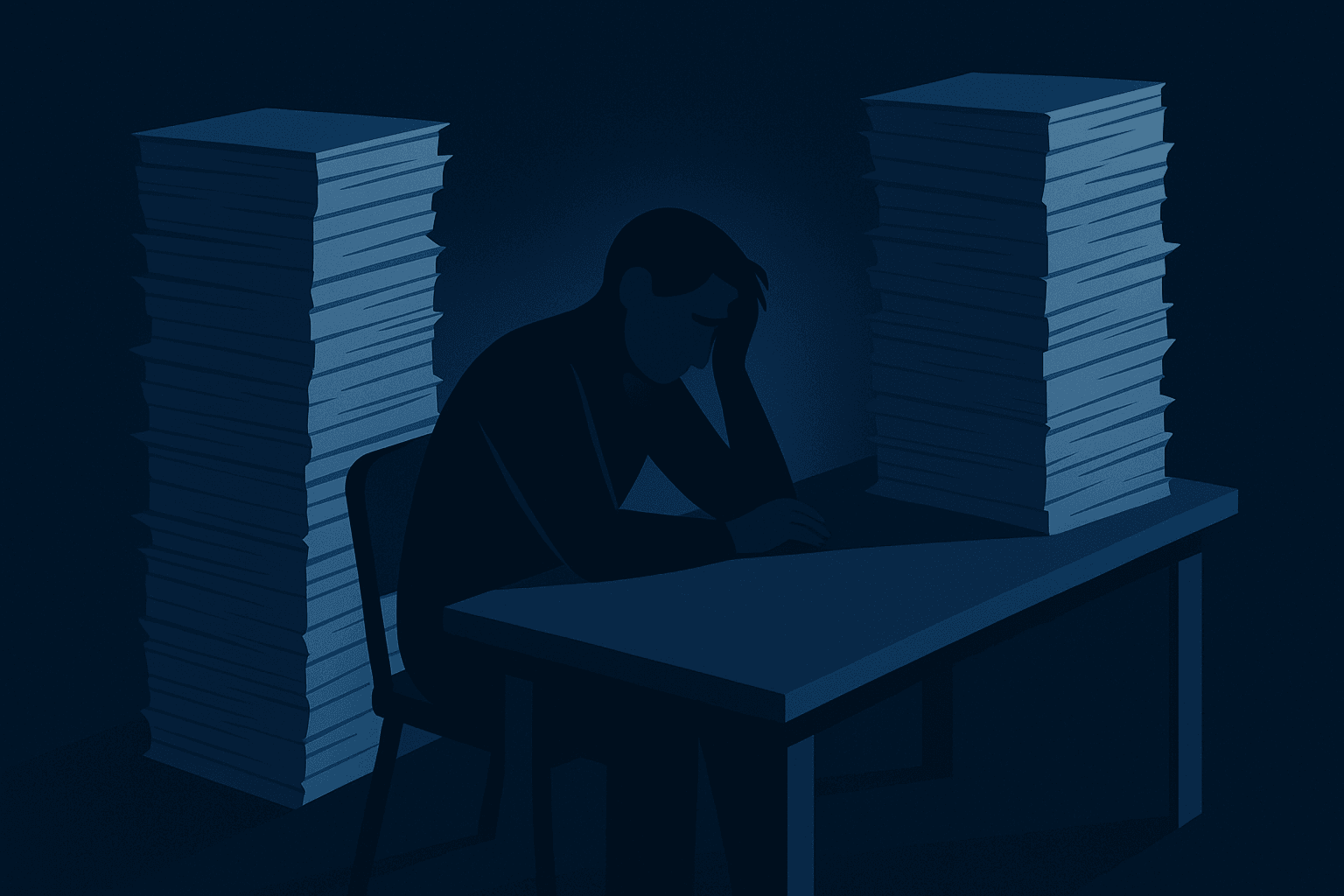
Many people believe emotional exhaustion at work is a sign of weakness. In reality, it's often the result of excessive demands and a lack of support in the workplace. Emotional exhaustion at work doesn't just affect the people experiencing it — it also impacts the whole team and the company's performance.
If you constantly feel tired and burned out, that could be a sign of emotional exhaustion. This exhaustion shows up in a variety of symptoms that often creep in gradually and aren't immediately obvious.
1. The Symptoms of Emotional Exhaustion
Emotional exhaustion shows up in a number of symptoms that are often overlooked, including:
- persistent fatigue that doesn't go away even after enough sleep
- reduced performance, even on simple tasks
- a feeling of inner emptiness and lack of motivation
- increased irritability and emotional distance from colleagues
These symptoms can intensify in a work environment where high demands are placed on employees. For example, pressure to meet tight deadlines can lead to a feeling of being overwhelmed.
2. Causes of Emotional Exhaustion at Work
Emotional exhaustion at work often has several causes. The most common include:
- heavy workloads and unrealistic expectations
- lack of support from managers or colleagues
- emotional strain from dealing with clients or coworkers
Here's an example: if you work in customer service and are constantly dealing with dissatisfied customers, that can lead to emotional exhaustion. The constant requirement to be friendly and helpful while feeling empty inside is an enormous burden.
3. Recognizing Emotional Exhaustion at Work
Emotional exhaustion is often recognized through self-observation. You notice that you have less energy for your daily tasks. Even simple activities become exhausting. In meetings or group work, you might withdraw, participating less actively or distancing yourself emotionally.
Another observable trait is a shift in social behavior. People suffering from emotional exhaustion tend to withdraw from social interactions. This can show up as avoiding conversations with colleagues or skipping social events.
4. Strategies for Coping With Emotional Exhaustion at Work
A few steps can help you cope with emotional exhaustion:
- Step 1: Recognize the symptoms and take them seriously.
- Step 2: Talk to your manager about your workload.
- Step 3: Look for ways to lighten your load, such as delegating tasks.
- Step 4: Schedule regular breaks and pay attention to your work-life balance.
These steps can help reduce emotional exhaustion and restore your own performance.
⭐ FAQ – Frequently Asked Questions About Emotional Exhaustion at Work
How do I know if I'm emotionally exhausted?
If you notice you have less energy for your daily tasks and even simple activities become exhausting, that's a sign of emotional exhaustion.
What can I do to avoid emotional exhaustion?
It's important to schedule regular breaks and pay attention to your work-life balance. Talking to your manager about your workload can also help improve the situation.
How does emotional exhaustion affect teamwork?
Emotional exhaustion can lead to withdrawal from social interactions, which hurts communication within the team. Less exchange often means lower team performance.
When should I seek professional help?
If the symptoms of emotional exhaustion persist and are negatively affecting your life, it may be worth seeking professional support.
Your Guide to Clear Leadership
If you want to not just recognize these patterns, but stop them for good:
Success Blockers – The Patterns Holding Back Every Company
Recognize behavior patterns – Support your team – Boost company performance
Further Guides & Resources
- Overload and Chaos in the Team – Strategies for handling team overload and chaos.
- Conflict Avoidance in the Team – Tips for avoiding conflict within the team.
- Self-Sabotage in the Workplace: The 7 Patterns – Patterns of self-sabotage and their effects.
- Avoiding Success in the Comfort Zone – Causes and consequences of success avoidance in companies.
More Guides from MindOnDigital
- Dealing with Difficult Bosses – Strategies for Clear Leadership Situations – Practical strategies for dealing with difficult bosses, so you can protect yourself and communicate clearly.
- Corporate Actors & PowerPoint Rangers – How Companies Waste Their Energy – Exposes the culture of staged performances and PowerPoint theater that crowds out real results.