Reducing Stress at Work: The Key to Higher Productivity
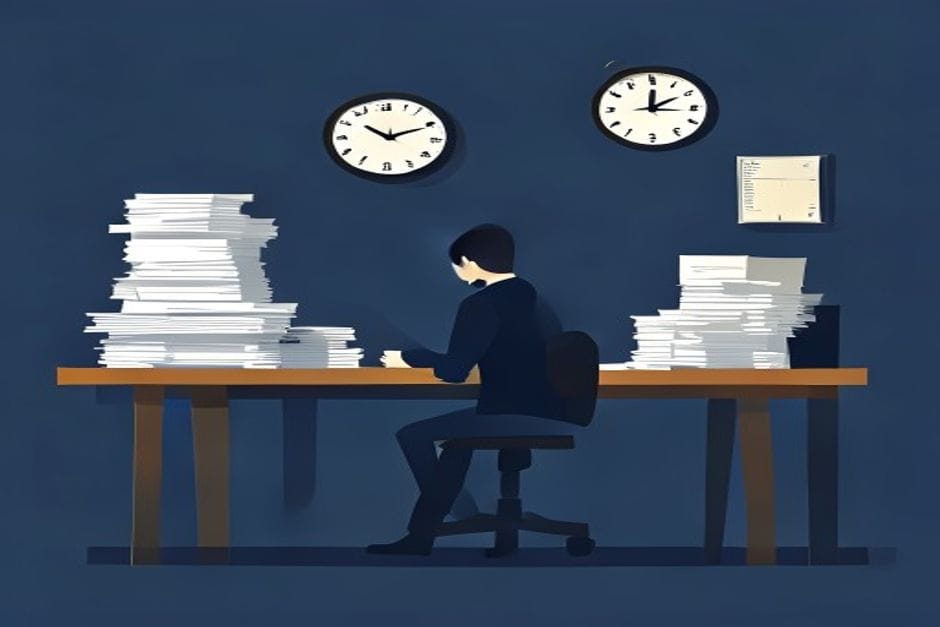
Many people assume that stress at work is a sign of dedication. In reality, it's often the visible symptom of overload and inefficient ways of working. Reducing stress at work is essential, because when you're constantly under pressure, it's not just your health that suffers — your productivity does too.
Reducing stress at work isn't an unreachable goal. It takes a shift in mindset and concrete steps to optimize how you work and take back control of your time.
1. Understanding the Causes of Work Stress
Stress doesn't just appear out of nowhere. It's usually driven by specific factors, such as:
- Unclear task allocation
- Lack of priorities
- Too many meetings without a clear agenda
When you don't know exactly what's expected of you, it creates uncertainty and overwhelm. For example: if your boss keeps piling on new tasks without letting you finish the old ones, it creates a feeling of being overloaded. This shows up as:
- Difficulty concentrating
- Higher error rates
- Frustration
2. Strategies for Reducing Stress at Work
To reduce stress, it helps to take active steps. Here are a few approaches that can help:
- Step 1: Set clear priorities. Use to-do lists to organize your tasks.
- Step 2: Cut down on meetings. Ask yourself whether a meeting is really necessary or whether the information could be shared in writing instead.
- Step 3: Create spaces to retreat to. Find a quiet spot where you can gather your thoughts and refocus.
For example: if you work in an open-plan office, it can help to wear headphones or move to a quieter corner so you can concentrate better. This cuts down on distractions and helps you stay focused.
3. Using Informal Networks
During stressful times, it's important to seek support. Informal networks can help you reduce stress. These networks often form spontaneously, when colleagues chat during breaks or use digital communication channels.
For example: if you talk to a colleague about a problem, they may have had similar experiences. Sharing solutions and approaches can not only reduce stress but also open up new perspectives.
4. Adjusting Your Own Way of Working
Another important aspect of reducing stress at work is adjusting how you work. Think about how you can make your tasks more efficient:
- Use digital tools for task management.
- Set fixed working hours and stick to them.
- Schedule regular breaks to recharge.
For example, if you keep a to-do list, you can sort your tasks by urgency. This helps you keep an overview and avoid overload.
⭐ FAQ – Frequently Asked Questions About Reducing Stress at Work
How do I know if I'm stressed?
A common sign of stress is feeling overwhelmed. If you feel like you're losing control over your tasks, it's time to rethink how you work.
What can I do if I'm constantly under pressure?
Think about which tasks are truly important. Set priorities and communicate clearly with your manager if you need support.
How can I use my breaks effectively?
Plan your breaks deliberately. Use them to move around or get some fresh air. This helps clear your head and recharge your energy.
How important are informal networks?
Informal networks play an important role in finding support. Talking things through with colleagues can help you develop solutions to problems and reduce stress.
Your Guide to Clear Leadership
If you want to do more than just spot these patterns — and stop them for good:
Dealing with Difficult Bosses – Strategies for Clear Leadership Situations
Clear communication – Less stress – Working more efficiently
Further Guides & Content
- Overload and Chaos: Leadership Patterns – Analyzing the causes of overload and chaos within teams.
- Conflict Avoidance in Teams – Strategies for preventing conflict within a team.
- Self-Sabotage in the Workplace: The 7 Patterns – Recognize and avoid patterns of self-sabotage in your organization.
- Leadership Guide: Clarity & Structure – Tips for leaders on creating clarity and structure.
More Guides from MindOnDigital
- Success Blockers – The Patterns Holding Every Company Back – Recognize and stop the invisible behavior patterns that hold back teams and organizations.
- Corporate Actors & PowerPoint Rangers – How Companies Waste Their Energy – Exposes the culture of performance and PowerPoint theater that crowds out real results.