Spotting the Warning Signs of Team Conflict — and Taking Action
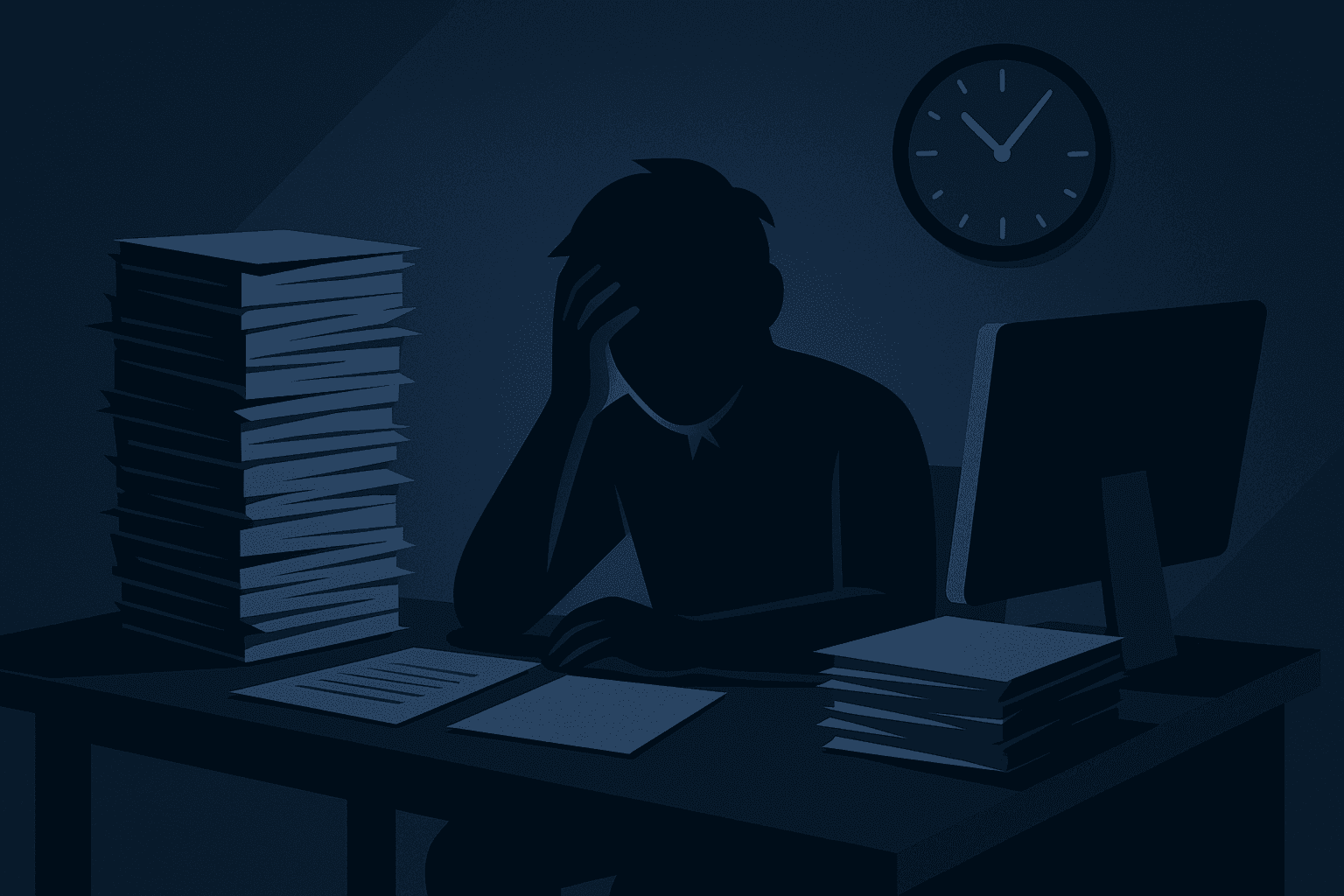
Many people assume that signs of team conflict simply mean people don't get along. In reality, they're often the visible result of overload and misunderstandings. When employees are under pressure, even small differences can escalate into major disputes.
The signs of conflict are varied and often subtle. They show up not just in heated discussions, but also in the way employees communicate and work together.
1. Emotional Overload as a Cause of Conflict
Emotional overload is a common phenomenon in stressful work environments. It shows up in several observable symptoms:
- Irritability: Employees seem less patient and react more sensitively to criticism.
- Communication problems: Misunderstandings increase, creating tension.
- Withdrawal: Employees pull back in meetings and speak up less often.
These symptoms can trigger a vicious cycle in which emotional strain keeps growing while performance keeps dropping. For example: when a team member is frustrated, they may become less willing to help others — which puts even more strain on team dynamics.
2. Physical Signs of Conflict
Physical symptoms are often the first sign that a conflict is brewing. These include:
- Fatigue: Frequent exhaustion can impair reaction time and concentration.
- Headaches: Stress-related headaches are a common sign of overload.
- Sleep problems: Trouble falling asleep or frequent waking can severely affect performance.
When employees are constantly tired, it can lead to mistakes at work. For example: an employee suffering from lack of sleep might overlook important details, leading to misunderstandings and conflicts with colleagues.
3. Priorities and Task Management
Another sign of conflict is how tasks get prioritized. Employees tend to focus on less important tasks while urgent projects get neglected. This shows up as:
- More overtime: Employees work longer hours to manage the workload.
- Neglect of important projects: Urgent tasks get pushed back, causing frustration.
- Rising error rates: A higher error rate can hurt team performance.
For example: if a team member focuses on unimportant tasks while an important project is at risk of missing its deadline, tension within the team can build.
4. The Vicious Cycle of Overload
Signs of conflict can compound over time. When emotional and physical overload combine, a vicious cycle takes hold:
- Rising strain: Employees feel overwhelmed and become less productive.
- Growing conflicts: Misunderstandings and tension increase.
- Declining team performance: Collaboration suffers, making the situation even worse.
For example: a team under pressure can break down in communication, leading to further conflicts. If these go unaddressed, they can put the entire team dynamic at risk.
FAQ – Frequently Asked Questions About Signs of Conflict
How do I know if my team is suffering from emotional overload?
One sign is when employees seem more irritable and misunderstandings happen more often. Watch for changes in communication.
What can I do to reduce physical signs of overload?
Helpful measures include regular breaks and the option to delegate tasks. This can help ease the strain.
How can I improve task prioritization?
A clear task list and regular prioritization meetings can help keep the focus on important projects and prevent overload.
What are the long-term consequences of unresolved conflict?
Unresolved conflicts can lead to high turnover and a poor working atmosphere, which negatively affects the entire organization.
Your Guide to Clear Leadership
If you want to do more than just spot these patterns — and stop them for good:
Success Blockers – The Patterns Holding Every Company Back
Recognize behavior patterns – Strengthen teams – Avoid conflict
More Guides from MindOnDigital
- Dealing with Difficult Bosses – Strategies for Clear Leadership Situations – Practical strategies for dealing with difficult bosses, so you can protect yourself and communicate clearly.
- Corporate Actors & PowerPoint Rangers – How Companies Waste Their Energy – Exposes the culture of performance and PowerPoint theater that crowds out real results.
Further Reading
- Early Warning Signs of Team Chaos – Spot signs of trouble and conflict within your team.
- Conflict Avoidance in Teams – Strategies for preventing conflict within a team.
- Overload and Chaos in Teams – The impact of overload on team dynamics and performance.
- Why Teams Fail: The Invisible Mechanisms – The underlying causes of team failure and conflict.